
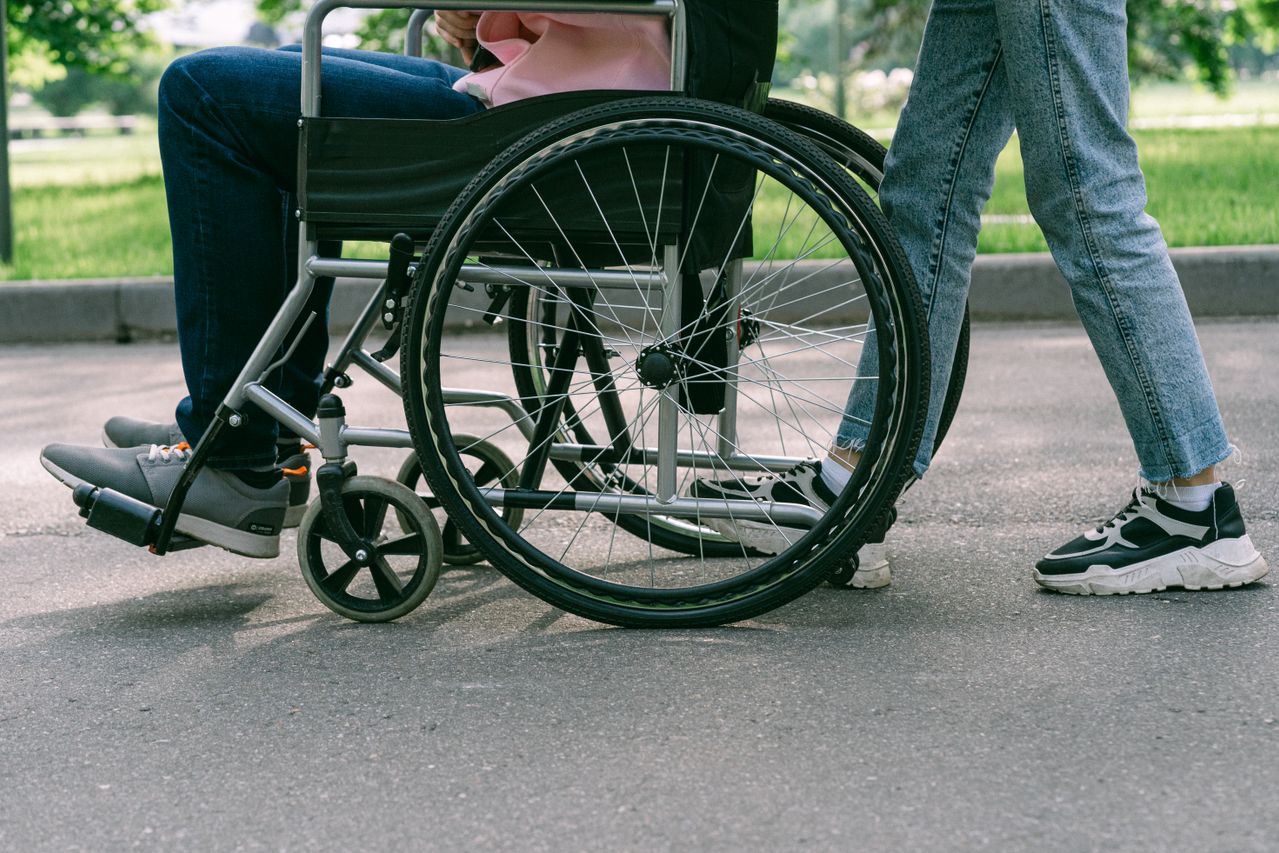
When discussing accessibility, the conversation often centers on visible elements such as ramps, elevators, or reserved parking spaces. These are undoubtedly important aspects, but they represent only a part of a much broader reality. The social impact of accessibility has to do with something much deeper: people’s ability to participate in daily life without encountering barriers that limit their independence, their opportunities, or their relationships with others.
We are often unaware of the influence that the spaces around us have until they no longer serve our needs. For this reason, accessibility directly influences social inclusion, quality of life, and the extent to which a society enables all its citizens to participate on an equal footing.
What does the social impact of accessibility mean in practice?
When we start talking about the social impact of accessibility, we tend to think of it as something abstract—until we see how it affects everyday situations. In reality, it manifests itself in such simple ways as being able to enter a library without assistance, go to a doctor’s appointment on one’s own, or use a public space without feeling unsafe or disoriented.
Accessibility largely determines who can fully participate in community life and who faces difficulties in doing so. Therefore, when analyzing its social impact, we are not just talking about infrastructure or regulations, but also about people, opportunities, and the possibility of leading an independent life within the community.
Accessibility as a Tool for Social Inclusion
Social inclusion is often associated with concepts such as equality, diversity, and participation. However, all of these principles need to be grounded in something tangible in order to become a reality. Accessibility is one of those tools that enables inclusion to move beyond mere intent and become a concrete experience.
Let’s consider, for example, a person who wants to attend a cultural event organized in their municipality. If the building has physical barriers, orientation issues, or accessibility challenges, participating in that event is no longer as simple as it seems. The same is true for schools, sports facilities, and government offices.
When environments are designed so that anyone can use them, social participation naturally increases and differences are bridged. In this way, accessibility does not create inclusion on its own, but it does remove many of the barriers that have historically hindered the active participation of certain groups in social life.
How does it affect independence and quality of life?
The ability to carry out daily activities without constantly relying on others is of immense value to any individual. That autonomy has a significant impact on self-esteem, self-confidence, and the way a person perceives their own role in society.
For older adults, this connection is particularly evident. Maintaining the ability to get around safely, run errands, or access services independently helps them preserve the habits, social relationships, and routines that are part of their well-being. When the built environment makes these activities difficult, people tend to gradually reduce their outings and limit their participation in community life.
Conversely, improving urban environments also leads to greater social participation and a better quality of life for older adults and people with disabilities.
The Role of Accessibility in Equal Opportunity
Equal opportunity is generally understood as the right of all people to have access to the same resources and opportunities. However, that right loses some of its meaning when barriers exist that prevent people from taking advantage of those opportunities in practice.
A job, a training program, or a public service may be available to the entire population from a formal standpoint. But if certain people face difficulties physically accessing those spaces, this creates a situation of inequality—and that is precisely what should be avoided.
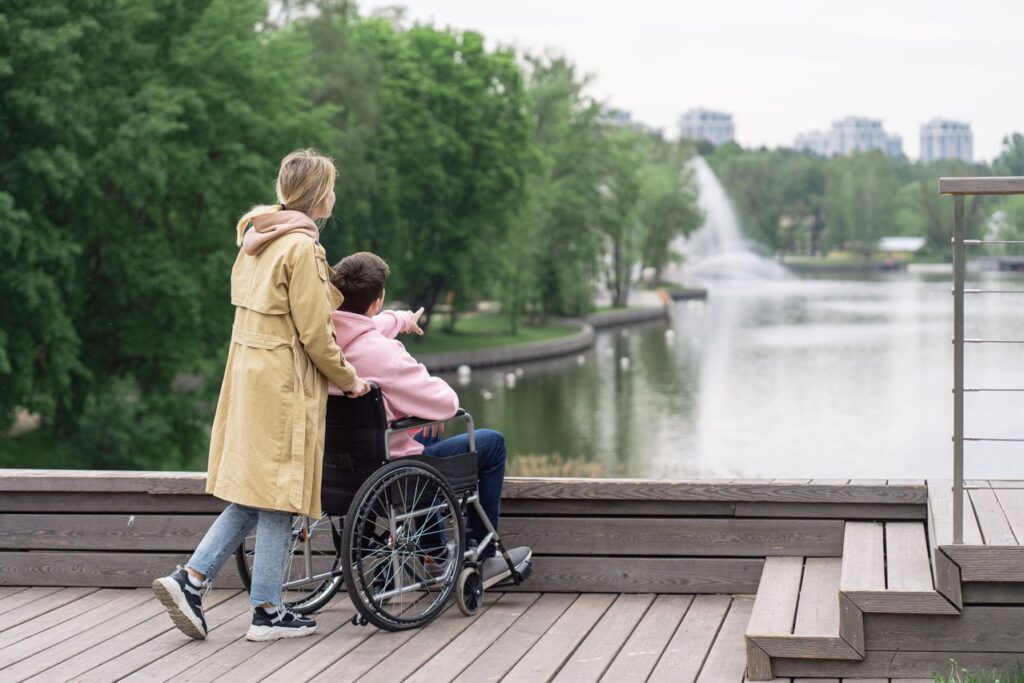
Why does accessibility benefit society as a whole?
Many people believe that accessibility is an issue that concerns only people with disabilities, but you only need to observe how we use public spaces to realize that the reality is much broader.
Cities, buildings, and services that are accessible are often more convenient, intuitive, and safe for all users. Many of the improvements associated with accessibility ultimately benefit a wide range of groups, including those who have never considered themselves the direct beneficiaries of these measures.
Older Adults and Population Aging
Population aging is one of the most significant social changes of recent decades. More and more people want to remain active for longer and continue to participate fully in their communities.
To achieve this, spaces must adapt to needs that evolve over time. The availability of accessible routes, rest areas, good lighting, and clear signage may seem simple, but it has a huge impact on the daily lives of thousands of people. It’s not about designing cities for a minority, but about preparing them for a demographic reality that affects all of society.
People with disabilities and limited mobility
For a person with a disability, accessibility is not just an optional improvement. In many cases, it makes the difference between actively participating in social life and facing constant limitations in activities that other people perform without difficulty.
Physical barriers remain present in many settings. Sometimes they are obvious, such as a staircase with no accessible alternative. Other times they are more subtle, such as excessively long routes, doors that are difficult to use, or unclear wayfinding systems. Therefore, reducing these barriers not only improves mobility but also helps to strengthen social participation, access to employment, education, and community life.
More comfortable and safer environments for everyone
Accessibility often yields benefits that extend far beyond the groups for which it was initially designed. A ramp can make it easier for a person in a wheelchair to get through, but it also helps those pushing a stroller or carrying luggage. Clear signage helps people with cognitive challenges, but it also helps visitors who are unfamiliar with the space.
This phenomenon explains why there is increasing talk of inclusive design. When spaces are created with the diversity of users in mind, the experience improves for everyone. In many cases, the best accessibility solutions are precisely those that go unnoticed because they work naturally for everyone.
The Social Impact of Accessibility in Physical Spaces
Physical spaces shape much of our daily lives. They determine how we get around, where we meet other people, and how we access essential services. For this reason, the accessibility of these environments has a direct impact on social cohesion, civic participation, and collective well-being.
More Inclusive Public and Private Buildings
Accessible buildings do more than just allow people to enter and exit easily. They also promote a more independent, comfortable, and dignified use of these spaces. It is still relatively common to find buildings where people with limited mobility must use alternative entrances or follow different routes than other users. Although these solutions allow access, they do not always foster a fully inclusive experience.
The current trend is toward designing spaces where everyone can use the same entrances, the same routes, and the same services whenever possible. This approach not only improves accessibility but also enhances the sense of equality and belonging.
Mobility, Signage, and Removal of Barriers
Changes in the field of inclusive urban planning show that factors such as the quality of pedestrian routes, the presence of obstacles, the clarity of signage, and the availability of rest areas can significantly influence how often people use public spaces.
Without a doubt, removing physical barriers has obvious practical benefits, but it also sends an important message: that everyone has the right to play an active role in the community.
Accessibility as Part of Urban and Community Well-Being
The most accessible cities are often also the ones where it is easiest to lead an active and engaged life. This is no coincidence: when public spaces are designed to serve a wider range of people, opportunities for social interaction, community life, and civic engagement increase.
Accessibility enables people of different ages and abilities to share the same spaces and activities. This daily coexistence helps build more cohesive and less exclusionary communities. That is why talking about accessibility is not just about infrastructure; it is also about the quality of urban life and collective well-being.
Conclusion
The social impact of accessibility is evident in aspects that often go unnoticed by those who do not encounter barriers in their daily lives. It is reflected in the ability to move around independently, access essential services, participate in community activities, or simply use a public space as usual.
As societies age and become more diverse, accessibility is becoming increasingly important. Not because it benefits only certain groups, but because it helps create more equitable, safe, and functional environments for everyone.

