Certify a space and/or service
Accessibility that transforms
AIS Standard 1/2023
Verifies the degree of accessibility of urbanized environments, both built and in projects.
If you want an asset, street, urban development, event… to be certified at
accessibility with AIS, the AIS 1/2023 Standard is the one you need.
How to certify
Take the first step toward accessibility
Request an assessment and find out the certification level your organization can achieve.
International Scope
The AIS certificate has an international scope and is already present in more than 30 countries through two formulas:
Harmonization
AIS International.
Homogenization of scalable international criteria for international portfolios
.
Transposition
Cross-referencing of AIS International with the accessibility legislation of a given country.
Guarantor of the legal compliance of the country of issuance of the certificate.
Modalities
 New construction / Renovations
Built Environment
Buildings or structures constructed before 2010
Buildings or structures constructed after 2010
Buildings or structures constructed after 2024
Buildings or structures rated as singular
Urban Spaces / Pedestrian Itineraries / Natural Spaces
Event / Congress
Protocols

Prequalification
- Basic or execution projects
- Validity from 6 to 18 months
- No maintenance

Certification
- Executed work/existing space
- Validity of 3 years
A subprotocol:
- Certification with pre-assessment: Before the final certificate is issued, the degree of accessibility is known, as well as the improvements to be made in order to upgrade to higher levels.

Maintenance
- Valid for 1 year
- Annual reviews two years after issuance of the certificate
Gradation
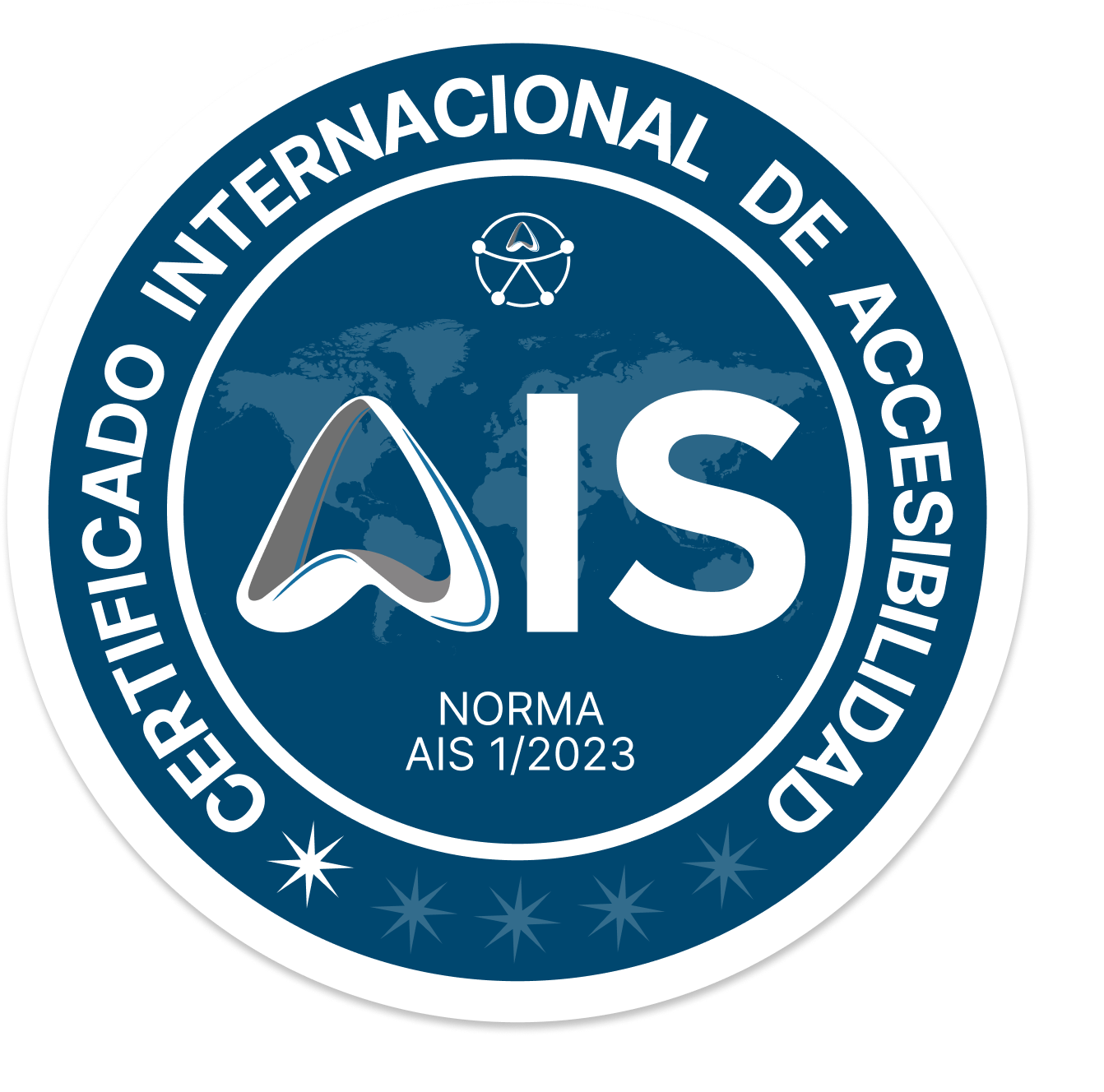
The AIS 1/2023 Standard verifies the level of accessibility of an environment or service by placing it in five levels of excellence, from 1 to 5 stars.
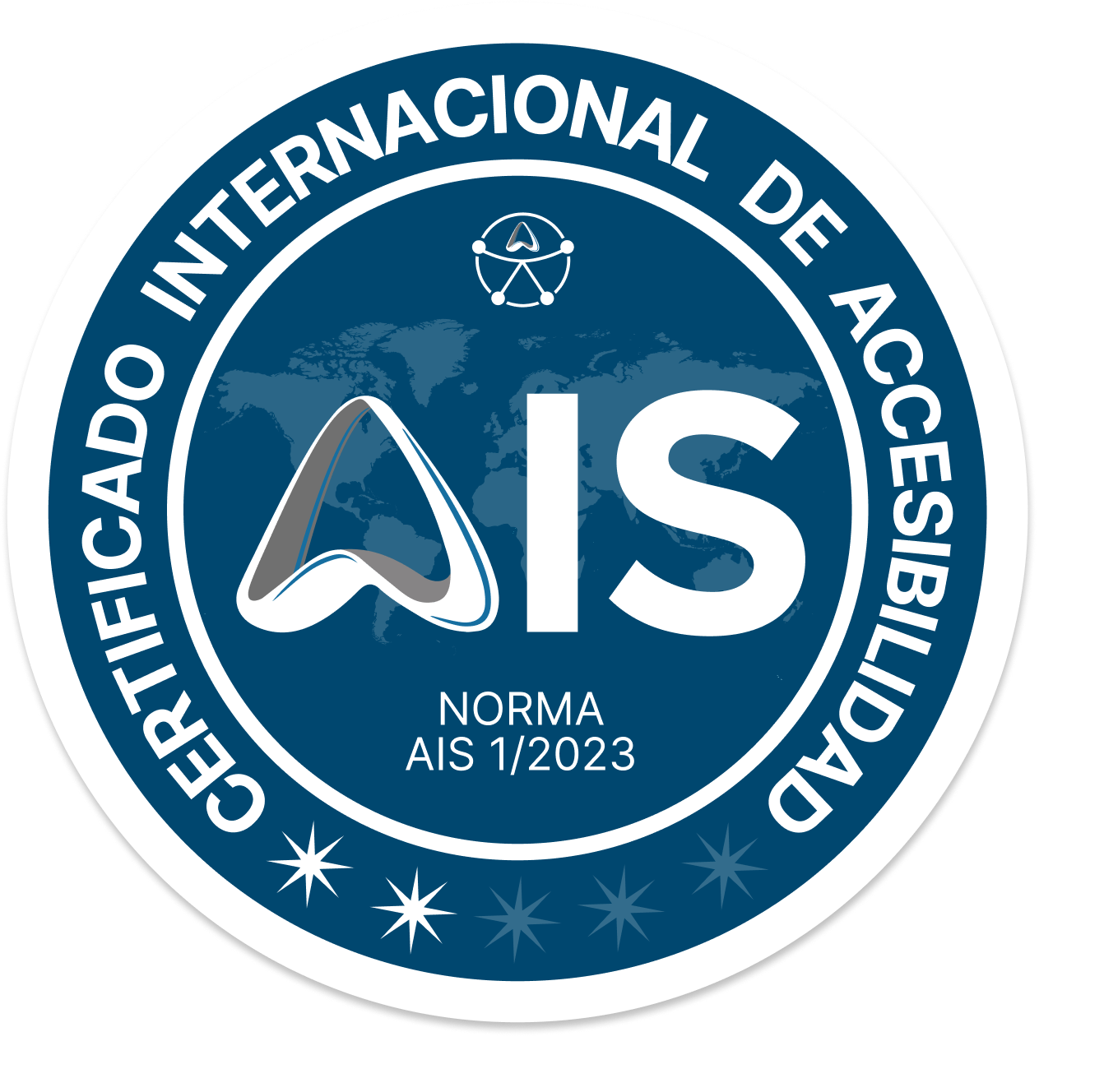
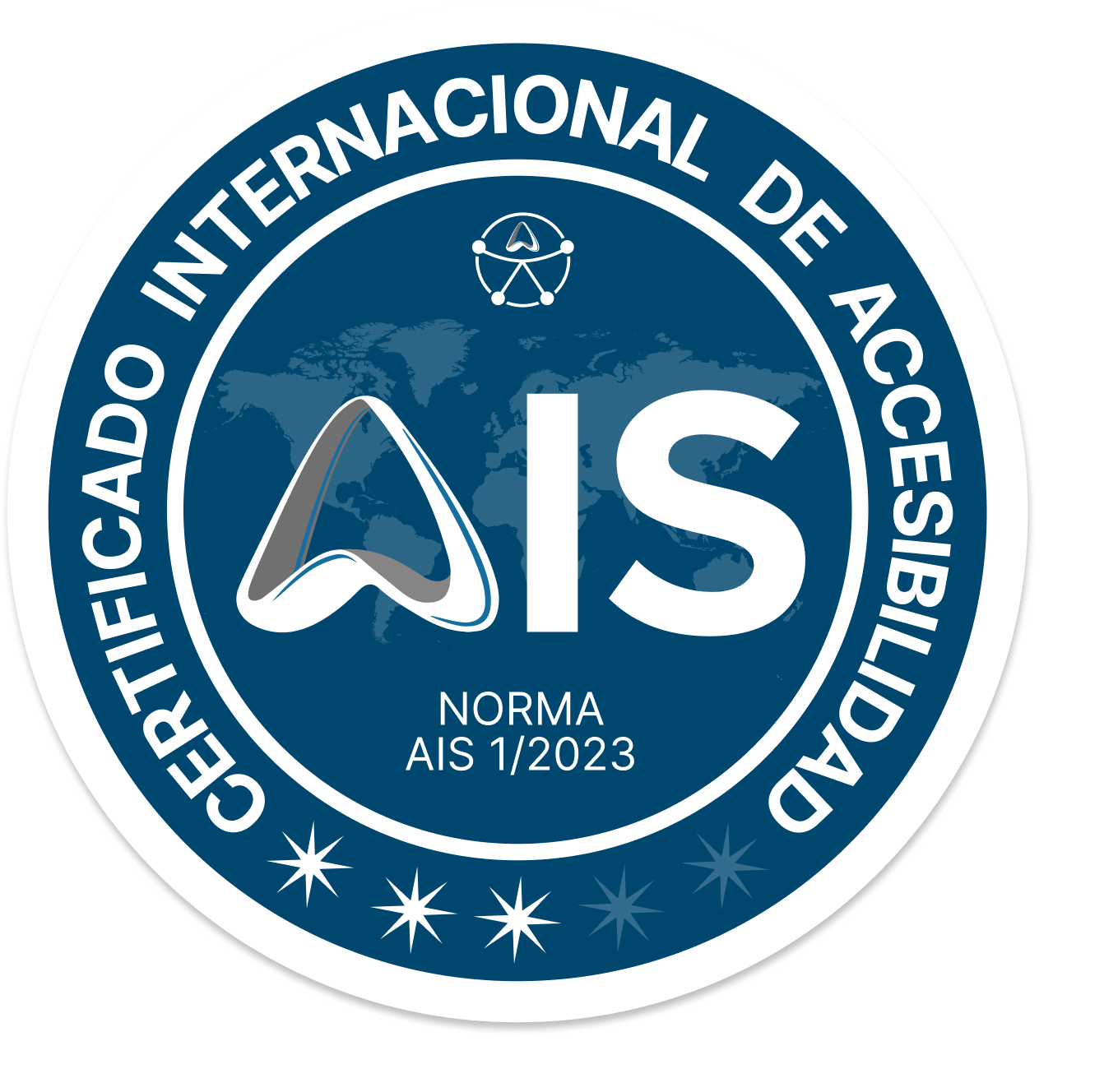
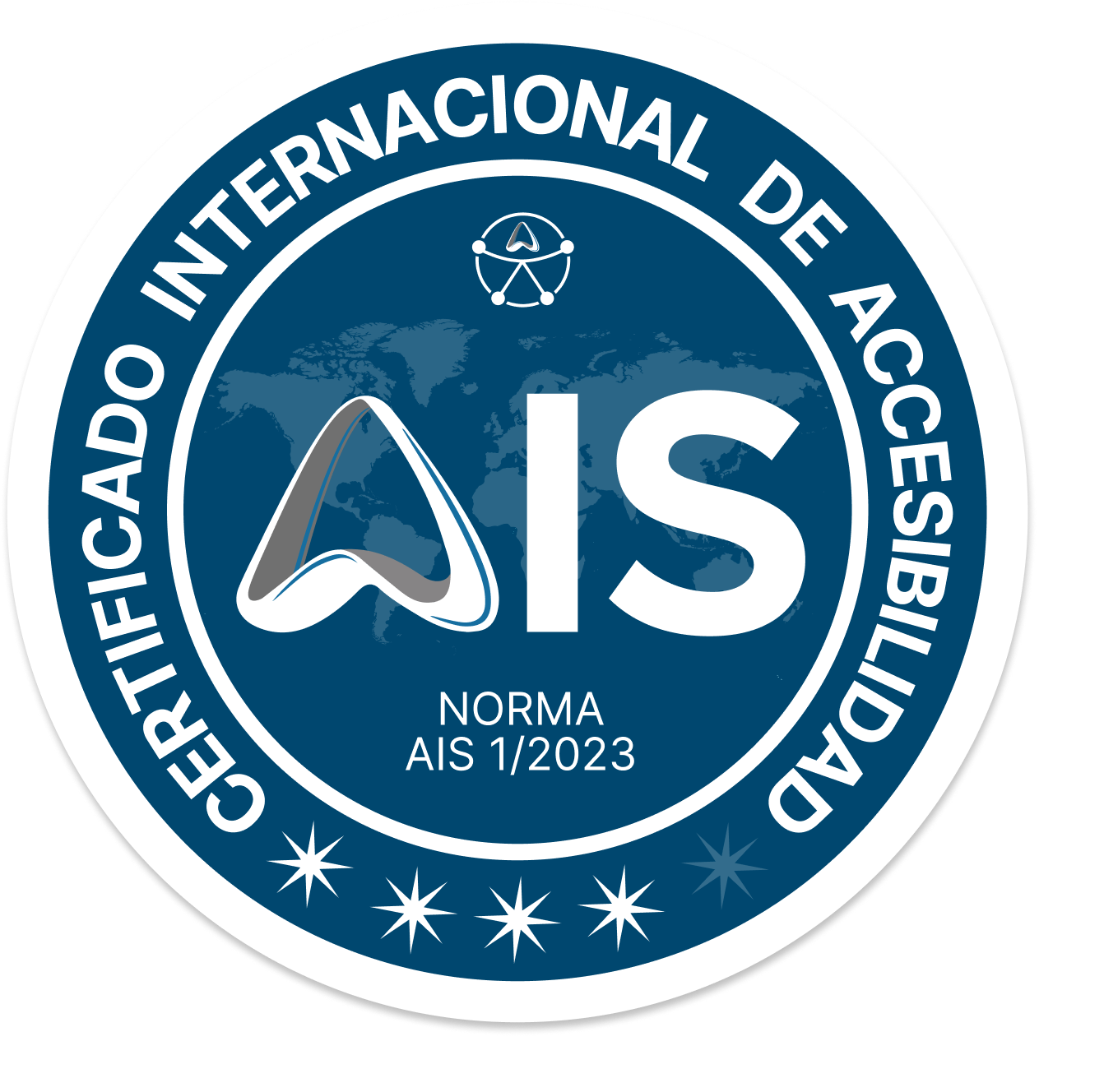
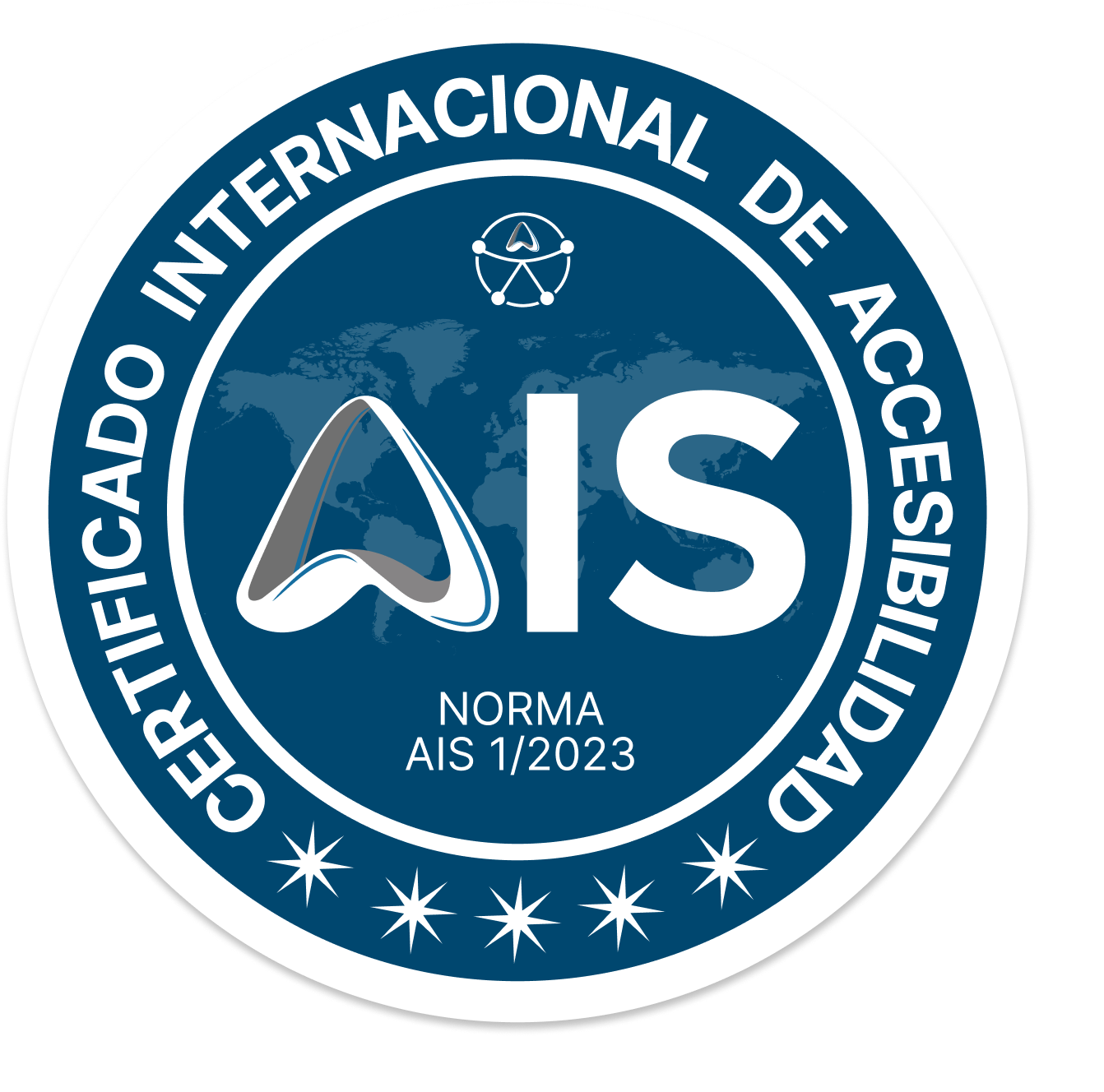







Gradation allows us to reflect and highlight:
Accessibility and comfort
Whether a facility, or the service offered therein, has accessibility features that contribute to usability, comfort and safety.
Current regulations
Whether these benefits are in line with current legal requirements.
Social Needs
Whether these benefits meet needs that are more or less prevalent in today’s society.
Potential for improvement
The opportunities for improvement and progression that can be encouraged.

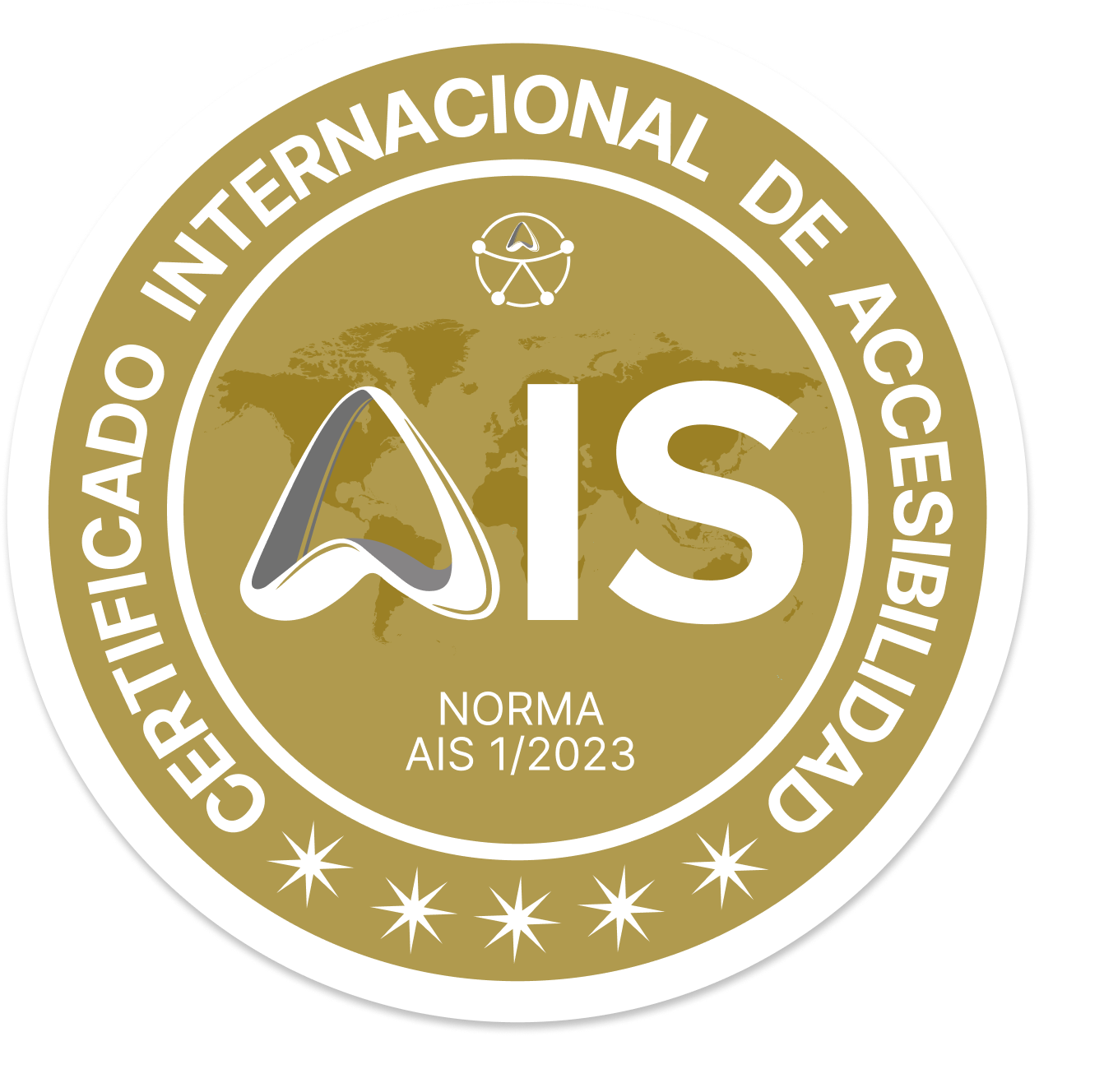
The AIS 1 Standard includes a special recognition, the 5 Star GOLD, for those environments or services that, having achieved 100% of 5 Star accredited items, have also developed specific policies for certain groups or implemented innovative technological resources in the field of accessibility that substantially improve service provision for all people.
The AIS double whammy
Become a company with Soul and you will achieve:
Impact
Economic

Revalue your assets, making them more attractive to tenants or investors.
Increase your target audience by meeting the conditions that empower everyone.
Create effective and efficient accessibility action plans, enabling CAPEX/OPEX organization.
Complete your Due Diligence processes.
To have the guarantee that your space complies with the national and international legal regulations of the country where your asset is located. Compliance.
A new argument in attracting social investment funds.
Develop the S of your company’s ESG strategy and earn points in the international GRESB ranking.
Impact
Social
Create a fairer world for all people.
Comply with the SDGs and the 2030 Agenda.
Integrate accessibility into your Social Responsibility strategies.
Develop inclusive environments that favor your DEI (Diversity, equity and inclusion) plans.
Improve user/customer service.
Improve safety and comfort in your spaces for all people.
Offer the opportunity to participate in society to all people with the greatest possible degree of autonomy and favor freedom of choice for users.
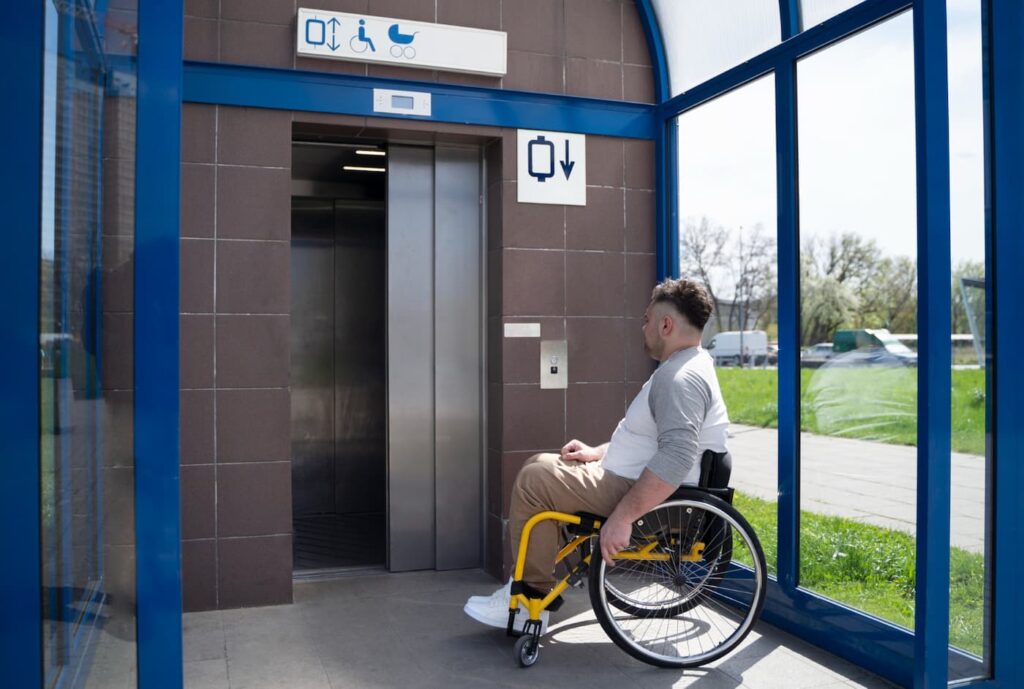
We certify all types of spaces
Contact us
Frequently Asked Questions
Yes, the Spanish Congress of Shopping Centers and Parks (Congreso Español de Centros y Parques Comerciales) has held AIS certification in its Events and Congresses modality for several consecutive editions. This demonstrates the system’s flexibility to be applied to temporary or traveling activities, not just permanent buildings.
Event certification covers everything from venue accessibility, entrances, and signage to conference design, ensuring an inclusive experience for speakers and attendees with functional diversity or accessibility needs.
The lack of physical accessibility in commercial or public facilities carries serious legal, financial, and reputational risks. In Spain and the European Union, regulations such as the Technical Building Code (CTE DB-SUA) and the General Law on the Rights of Persons with Disabilities demand minimum conditions for universal accessibility. Failure to comply can result in:
- Administrative sanctions and heavy financial fines imposed by municipal or regional authorities.
- Challenged or denied opening, construction, or operating licenses.
- Civil lawsuits for damages and injuries brought by customers or employees.
- Severe reputational damage from failing to meet minimum Corporate Social Responsibility (CSR) and ESG criteria.
Bahía Sur has achieved 4 AIS stars, and La Rambla San Borja and Brasil, in Peru, were the first shopping centers in the country to reach this same level. They serve as examples of how the standard is applied in large-scale retail.
The 1 to 5 AIS star scale objectively evaluates the level of physical, sensory, and cognitive accessibility achieved by the space. Following a technical audit conducted by an Authorized Advisor, a score is assigned based on compliance with regulatory criteria and inclusive innovations.
A rating of 1 to 3 stars recognizes solid and functional regulatory compliance, while 4 and 5 stars reward excellence, innovation, and maximum universal usability.
Yes, the AIS system is designed to adapt to the architectural features of existing structures and protected heritage. Through reasonable accommodation analysis and compensatory technical solutions, the AIS Standard can be applied without compromising the architectural and historical value of the property.

