Author: Liliana Pellicer
-
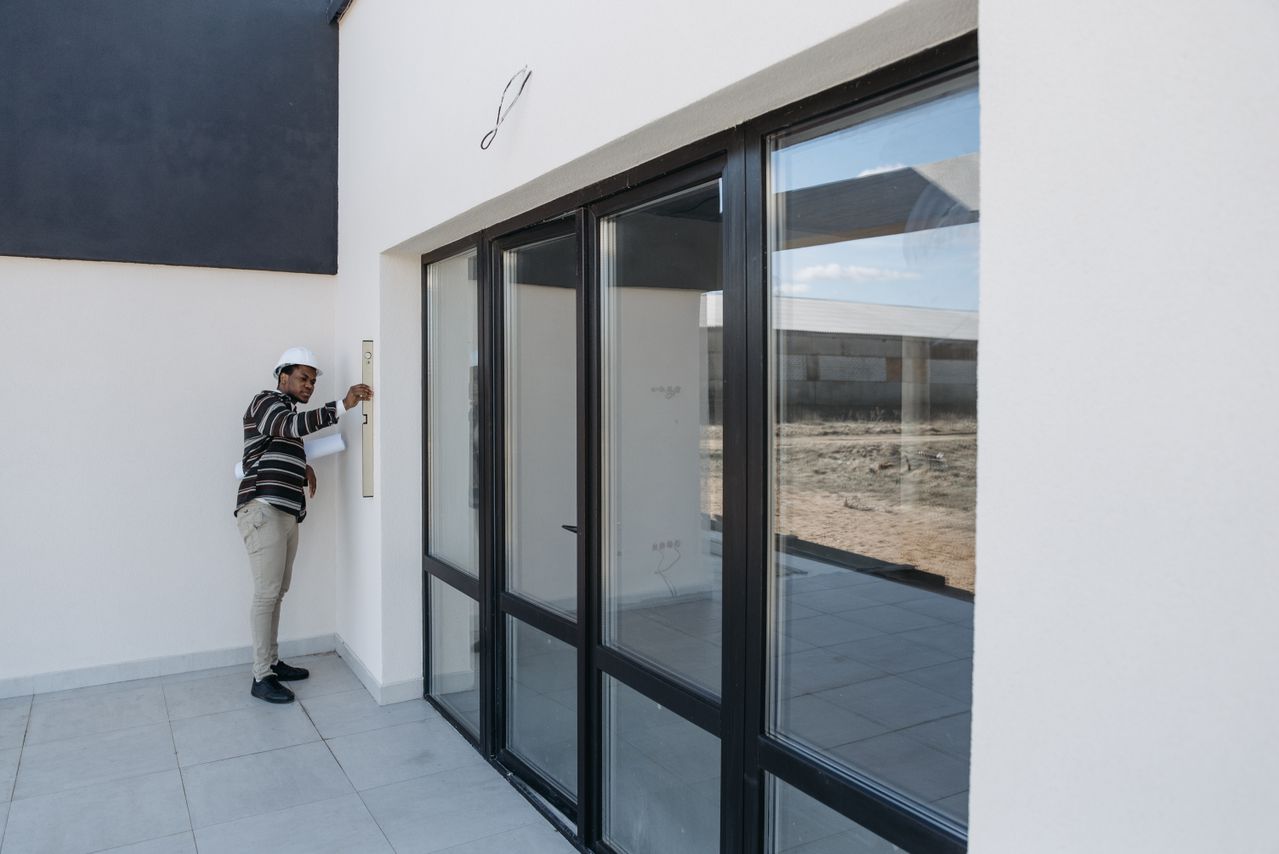
Accessibility Audit: How to Prepare a Space for Certification
An accessibility audit makes it possible to assess whether a physical space and the services provided there can be used independently and safely by people with different needs. For companies seeking AIS certification, preparing their facilities in advance helps identify potential barriers and better organize the evaluation process.
-
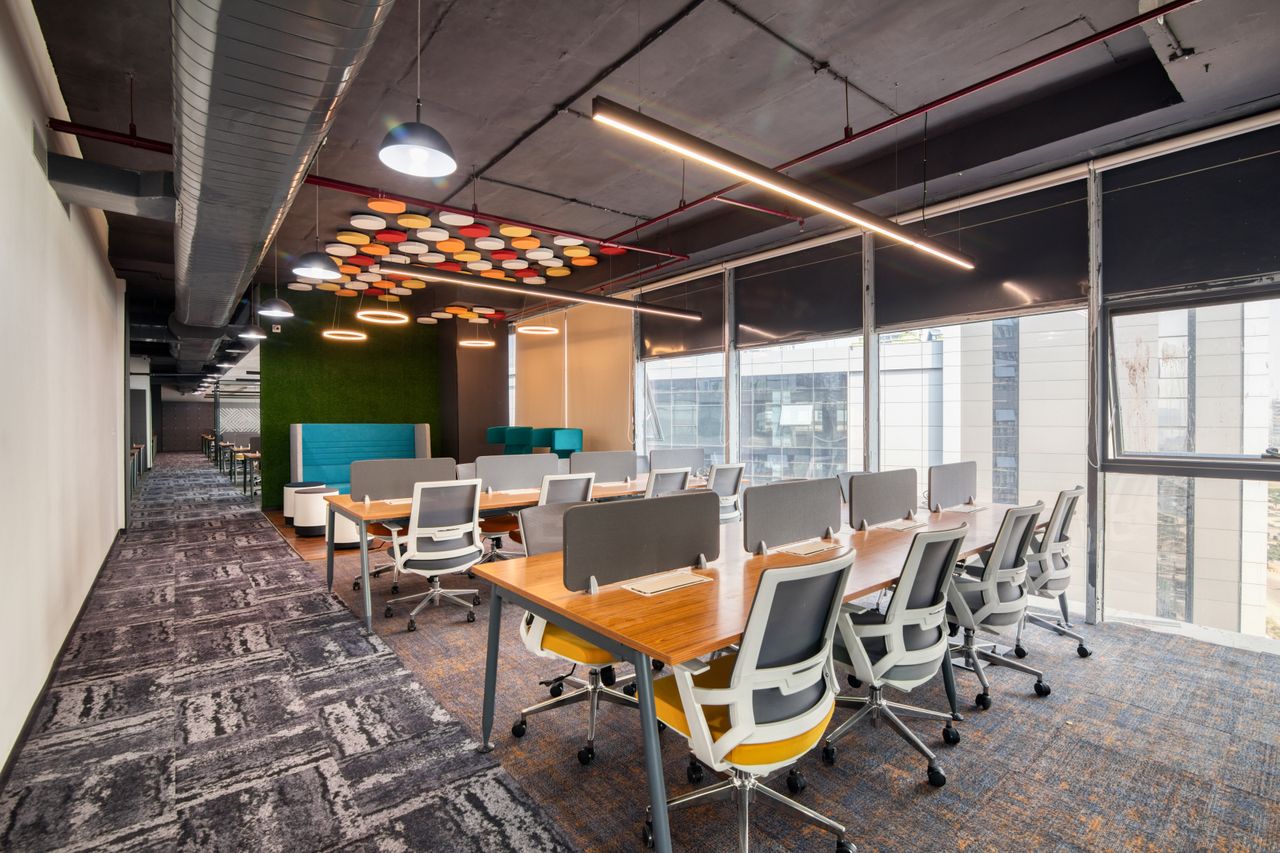
AIS Standard 1/2023: What It Assesses and How It Is Applied
Standard AIS 1/2023 establishes criteria for evaluating and certifying the level of accessibility of physical spaces and urban environments, whether already built or still in the planning phase. Its approach considers people’s needs from various perspectives, with the goal of identifying barriers and assessing the conditions of use in each environment.
-
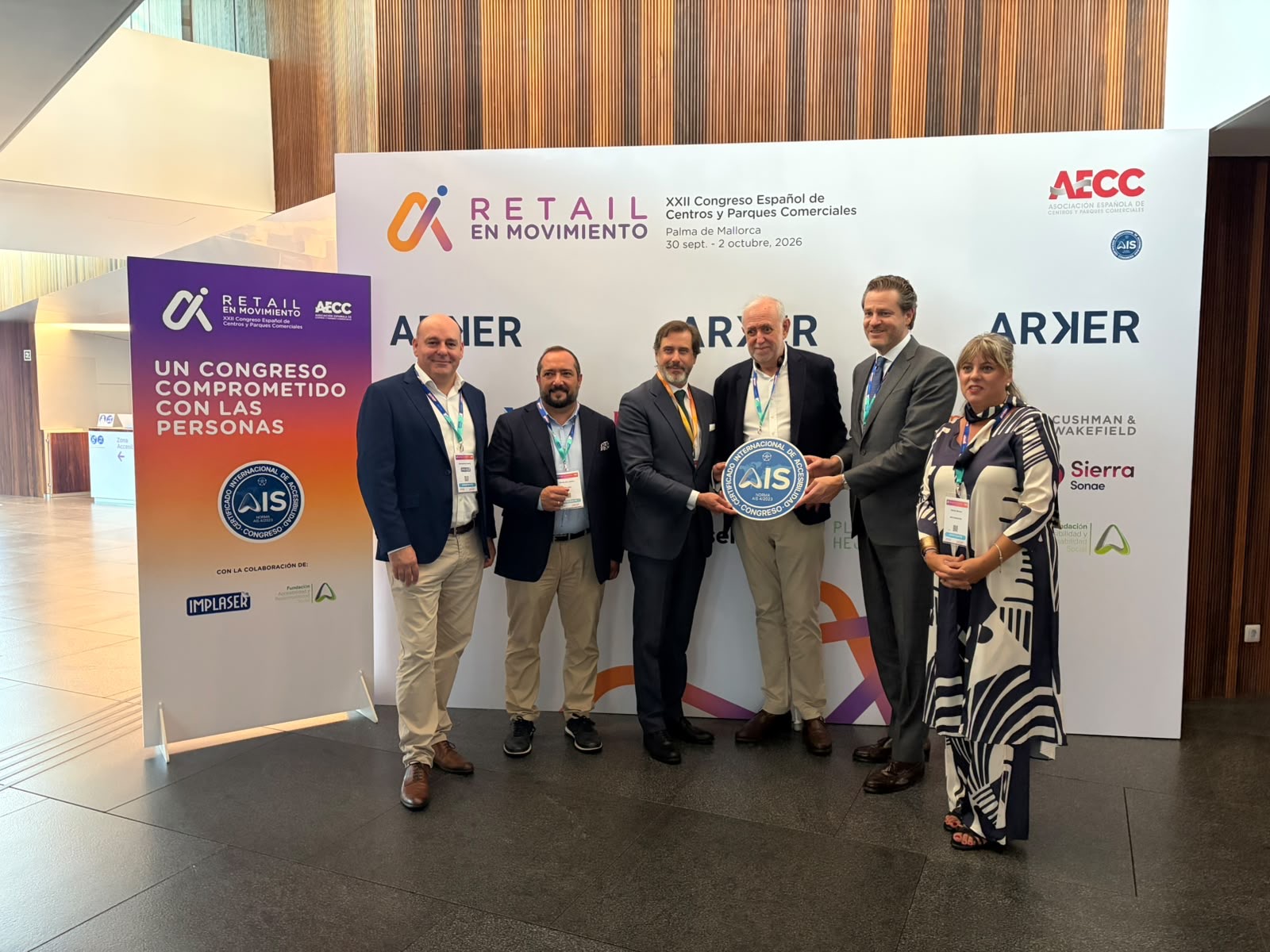
A Greater Commitment to Accessibility in the Spanish Retail Sector
The 22nd Spanish Congress of Shopping Centers and Retail Parks has received an AIS accessibility certificate for both the event and its website, furthering the Spanish Association of Shopping Centers and Retail Parks’ (AECC) commitment to creating an event that is accessible to everyone. Specifically, the ARS Foundation, the international creator and manager of AIS,…
-
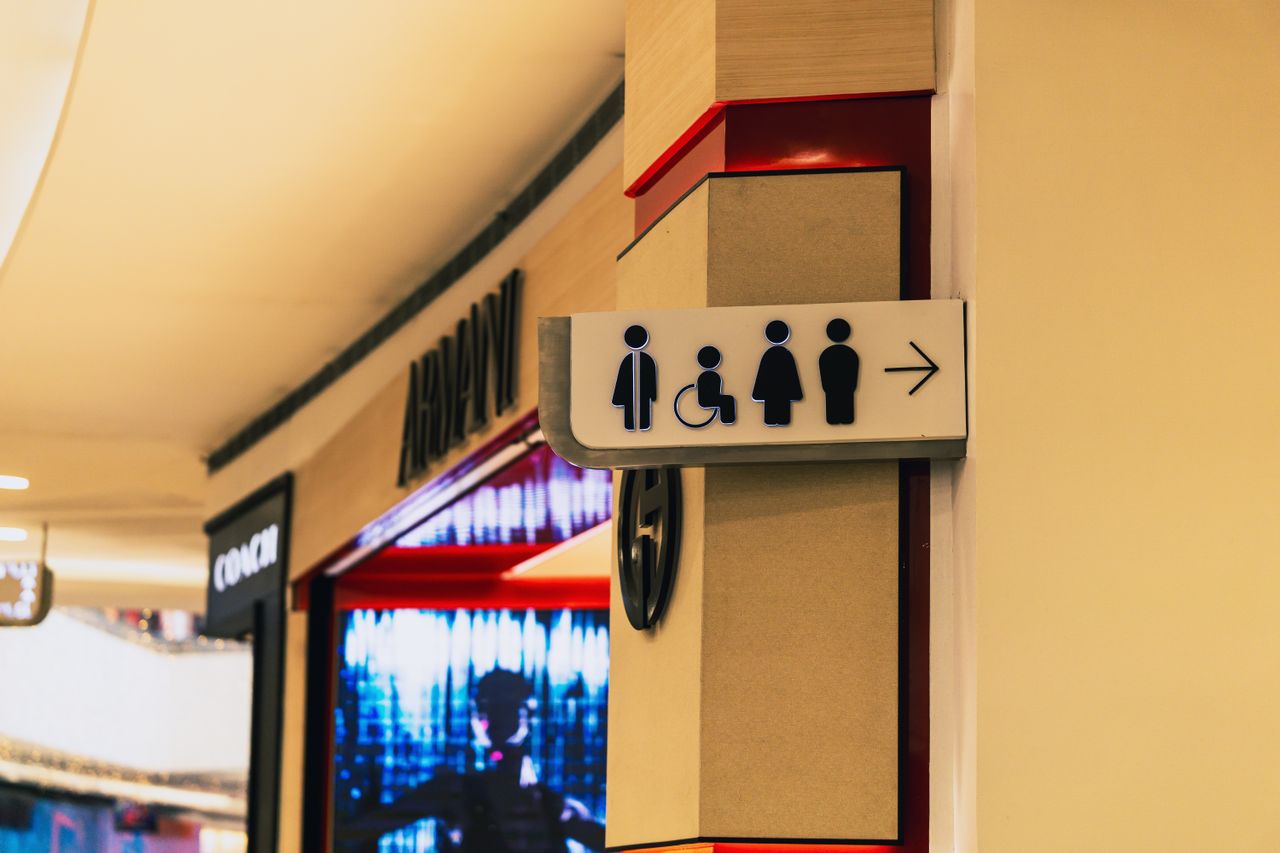
Accessibility Certificate: What It Is, How to Obtain It, and What Benefits It Offers
An accessibility certificate serves to verify the level of accessibility of a space, service, or product after it has undergone a formal evaluation and certification process. In the case of the Accessibility Indicator System (AIS), this assessment is expressed through up to five levels of excellence and considers accessibility from a comprehensive perspective.
-

Web Accessibility Certification: Process, Requirements, and Benefits
Web accessibility certification allows for the verification and validation of a digital environment’s level of accessibility through a structured process. In a context where websites and applications increasingly centralize information, services, and processes, removing digital barriers is an issue that affects both inclusion and the quality of the user experience.
-
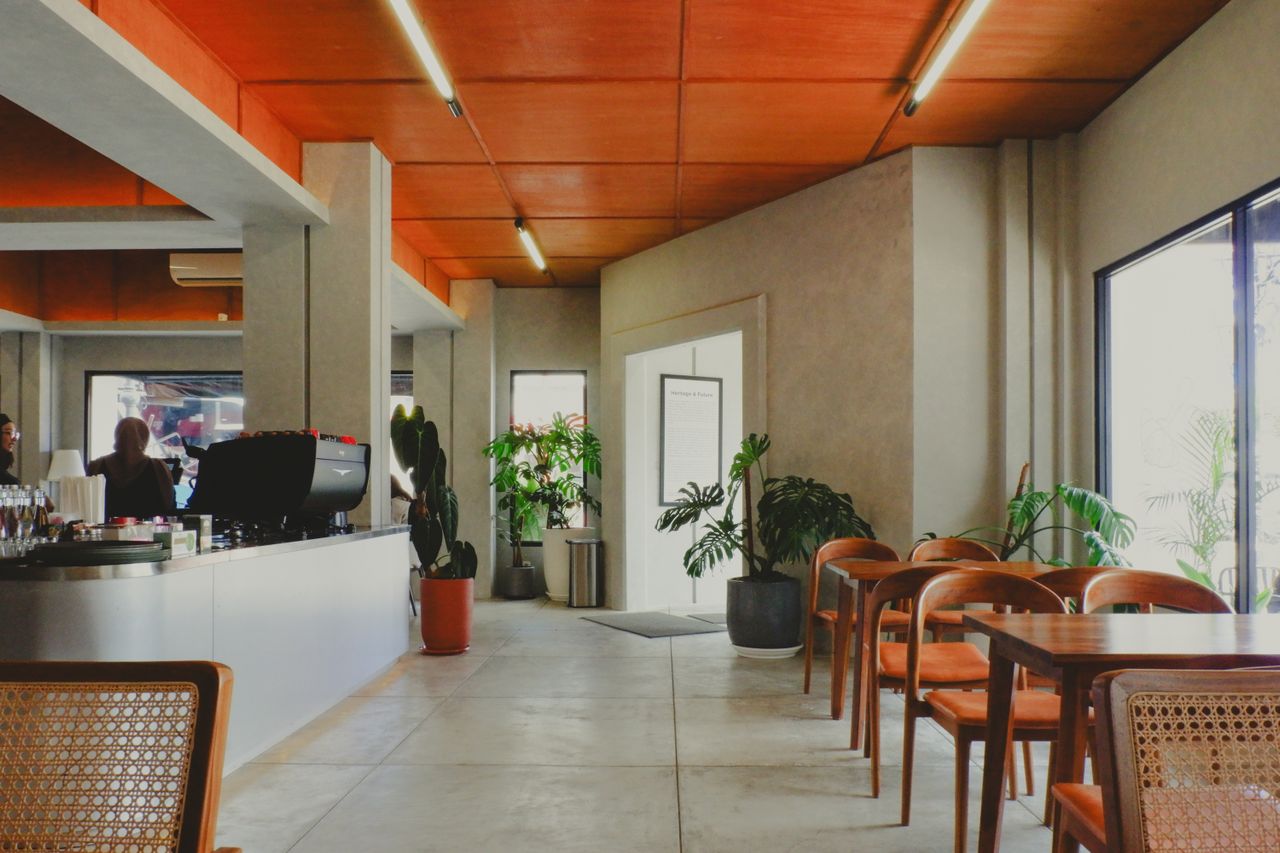
Accessibility Levels: How the AIS Stars Work
Discussing levels of accessibility allows us to go a step beyond the question of whether or not a space is accessible. In the Accessibility Indicator System (AIS), the level achieved is expressed on a scale of one to five stars, which makes it possible to identify different levels of excellence in accessibility.
-
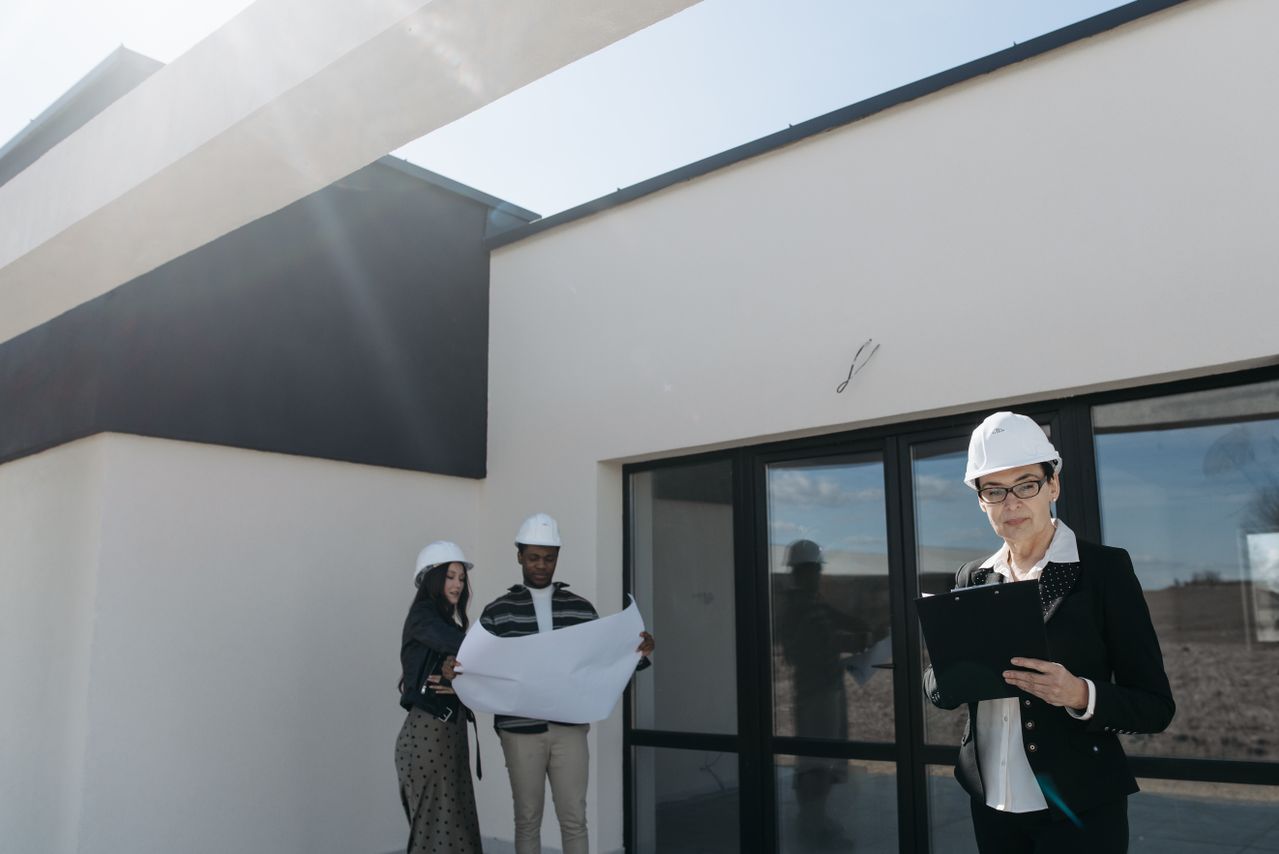
What does a certified technician do during an AIS certification?
When an organization decides to assess and improve the accessibility of one of its spaces, it is not enough to simply check for ramps, elevators, or signage. The AIS methodology calls for a comprehensive assessment that involves gathering information, analyzing it according to a standard, and translating the results into concrete proposals for improvement. In…
-

What is accessible digital design?
The way digital environments are designed directly influences who can use them and who faces difficulties doing so. In this context, accessible digital design has become essential to ensuring that websites, apps, and digital platforms can be used by as many people as possible.
-
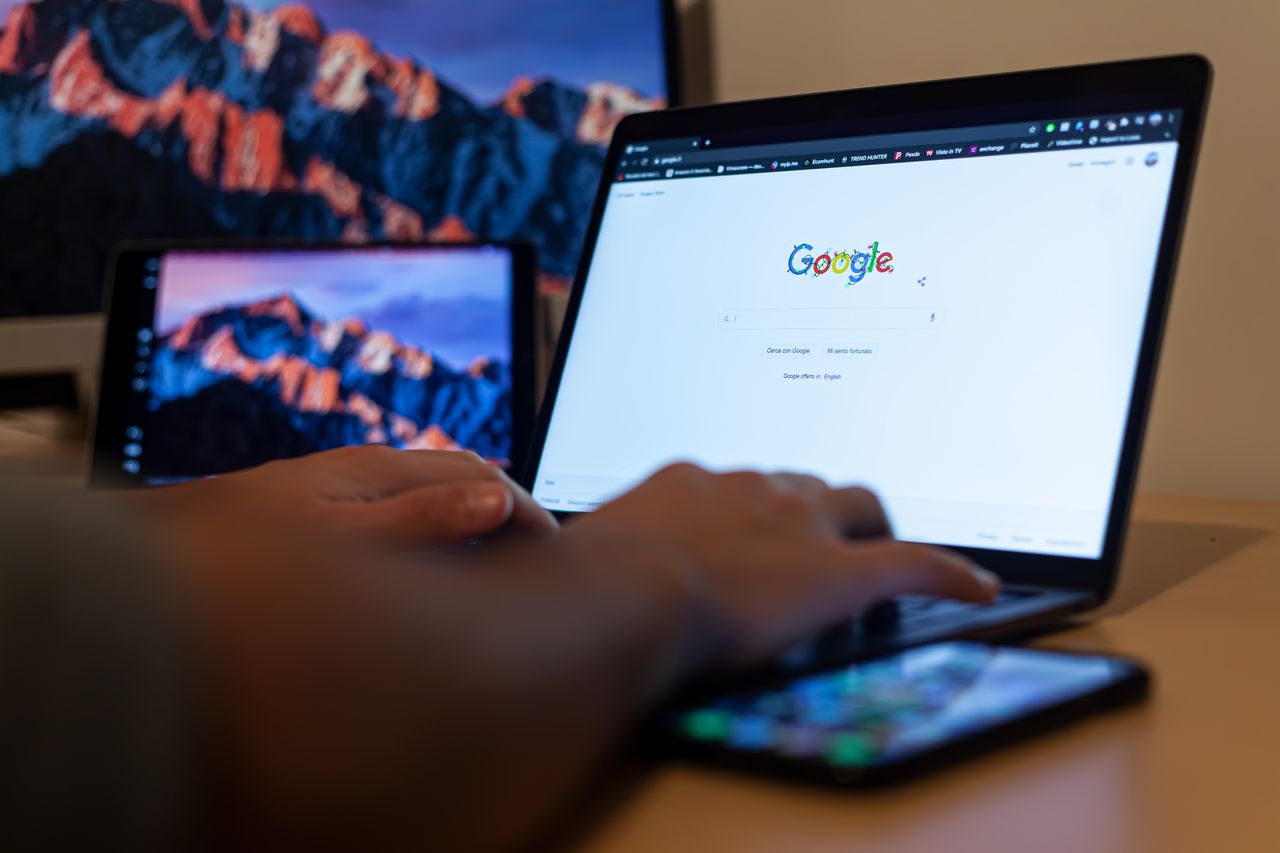
Web Accessibility Standards and Guidelines
Digital transformation has changed the way people get information, shop, work, and access public and private services. However, for this transformation to be truly inclusive, digital environments must be designed with user diversity in mind and take into account the different ways people interact with technology—and that is where web accessibility comes into play.
-

Law 9/2025 on Sustainable Mobility: The Role of Accessibility
The passage of Law 9/2025 on Sustainable Mobility marks an important step forward in how mobility is understood and managed in Spain, incorporating accessibility as a cross-cutting issue. It is no longer just about infrastructure and transportation efficiency; now we must ensure that citizens have access to services, opportunities, and activities with the greatest possible…

