Many certifications such as WELL, LEED or BREEAM incorporate aspects related to accessibility. However, accessibility should not be approached as a complementary criterion, but as a fundamental pillar in the design, construction and evaluation of built environments.
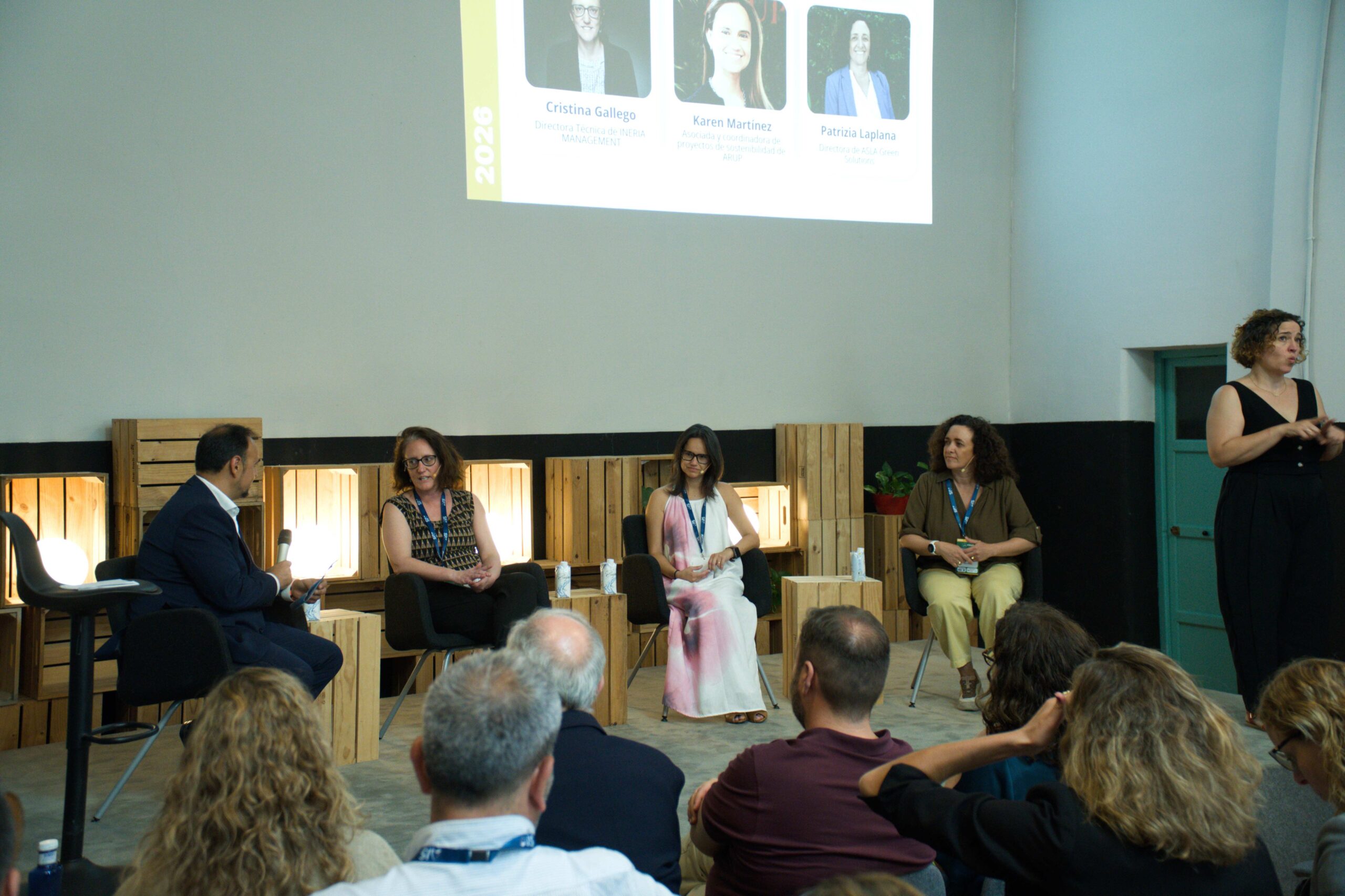
This was one of the main conclusions of the round table discussion ‘Synergies between AIS and other Real Estate certifications’, held last Thursday in the framework of Around 2026, the Annual Meeting of the AIS Community.
Moderated by David Ureña, the session was attended by Patrizia Laplana Bigott, director of Asla Green Solutions; Cristina Gallego Gamazo, technical director at INERIA Management; and Karen Martínez Ramírez, sustainability project coordinator at Arup.

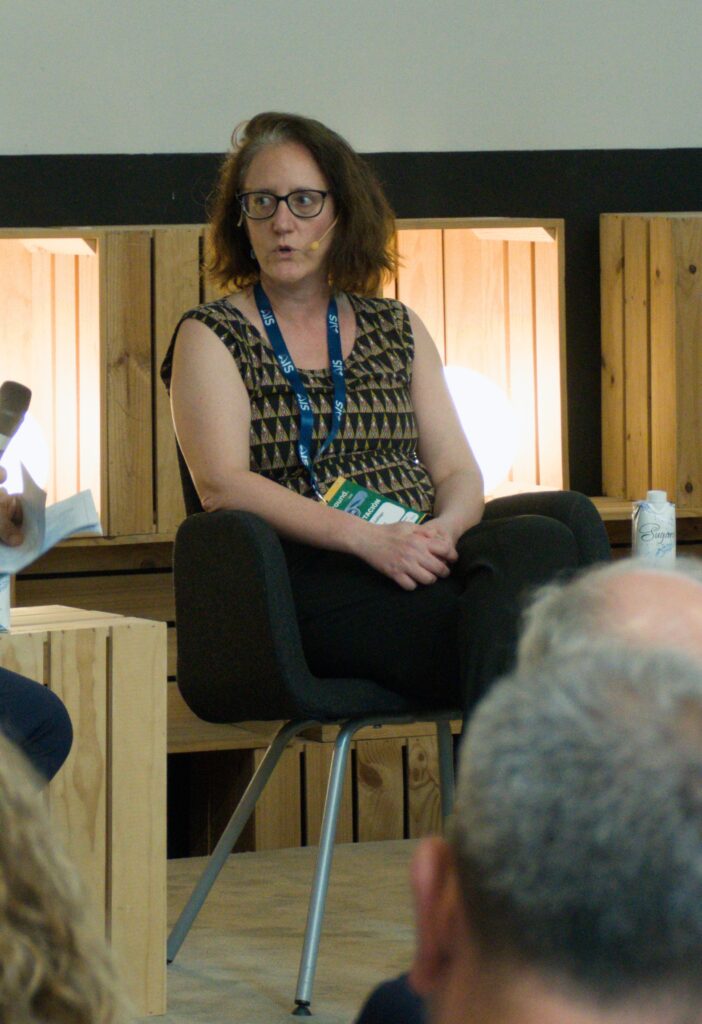
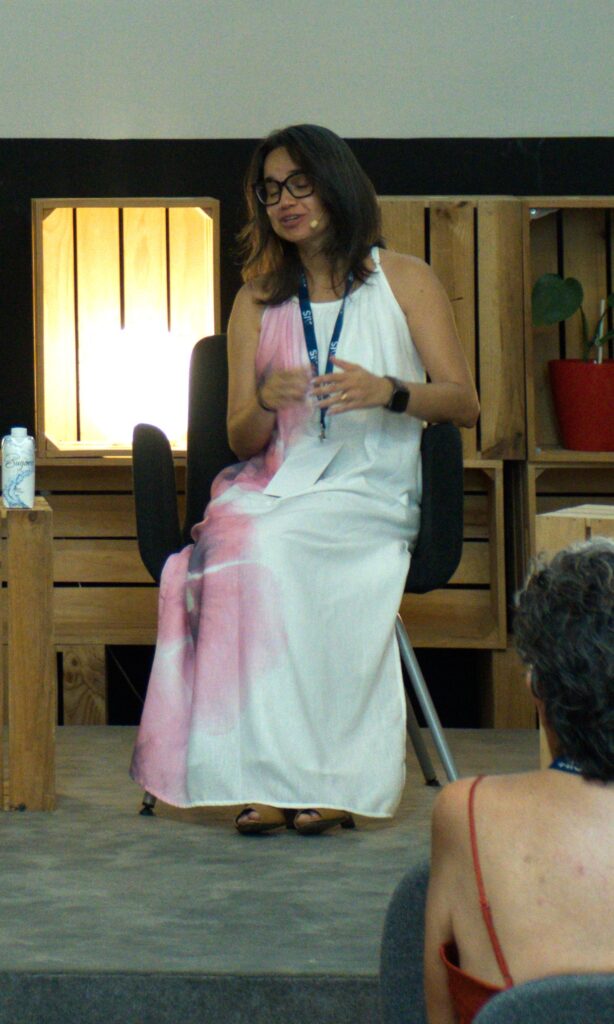
During the debate, the speakers agreed that, compared to the more generalist approach of other certifications linked to sustainability and wellbeing, AIS stands out for its specific methodology for assessing accessibility. A system based on exhaustive physical and documentary data collection that allows objective and measurable results to be obtained.
“In other sustainability certifications, accessibility is analyzed qualitatively, not quantitatively, as in the case of AIS,” said Patrizia Laplana. Karen Martínez pointed out that “unlike AIS, no specific accessibility measurements are made. Sometimes it is the clients themselves who provide the information requested.
This aspect reinforces the role of AIS as a reference certificate in accessibility and highlights its complementarity with other certification schemes. “Each certification has its own objectives, although there is complementarity between them. The development of systems such as AIS, which specifically certify accessibility, is important,” explained Cristina Gallego.
Developments in the Real Estate certification market
The experts also analyzed the evolution of the market and the growing importance of accessibility in the real estate sector. “There is more and more interest in accessibility, it is an already elementary issue not considered as an extra,” analyzed Patrizia Laplana.
Along the same lines, Karen Martínez said that “the social aspect is gaining a lot of weight in the certification market: how people will have access, how they will be, how they will move around… In this context, accessibility is going to have a great future”.
Finally, Cristina Gallego concluded that “In 5 or 10 years we will still be talking about sustainability and this will take into account all its dimensions, including accessibility”.
The round table highlighted that accessibility is becoming increasingly relevant within the sustainability and wellbeing strategies of real estate assets. In this scenario, AIS is consolidated as a specialized tool that provides a specific, rigorous and measurable analysis of accessibility, helping to promote more inclusive environments for all people.

